Live Performances: The Bottom Line and Beyond
THE BOTTOM LINE
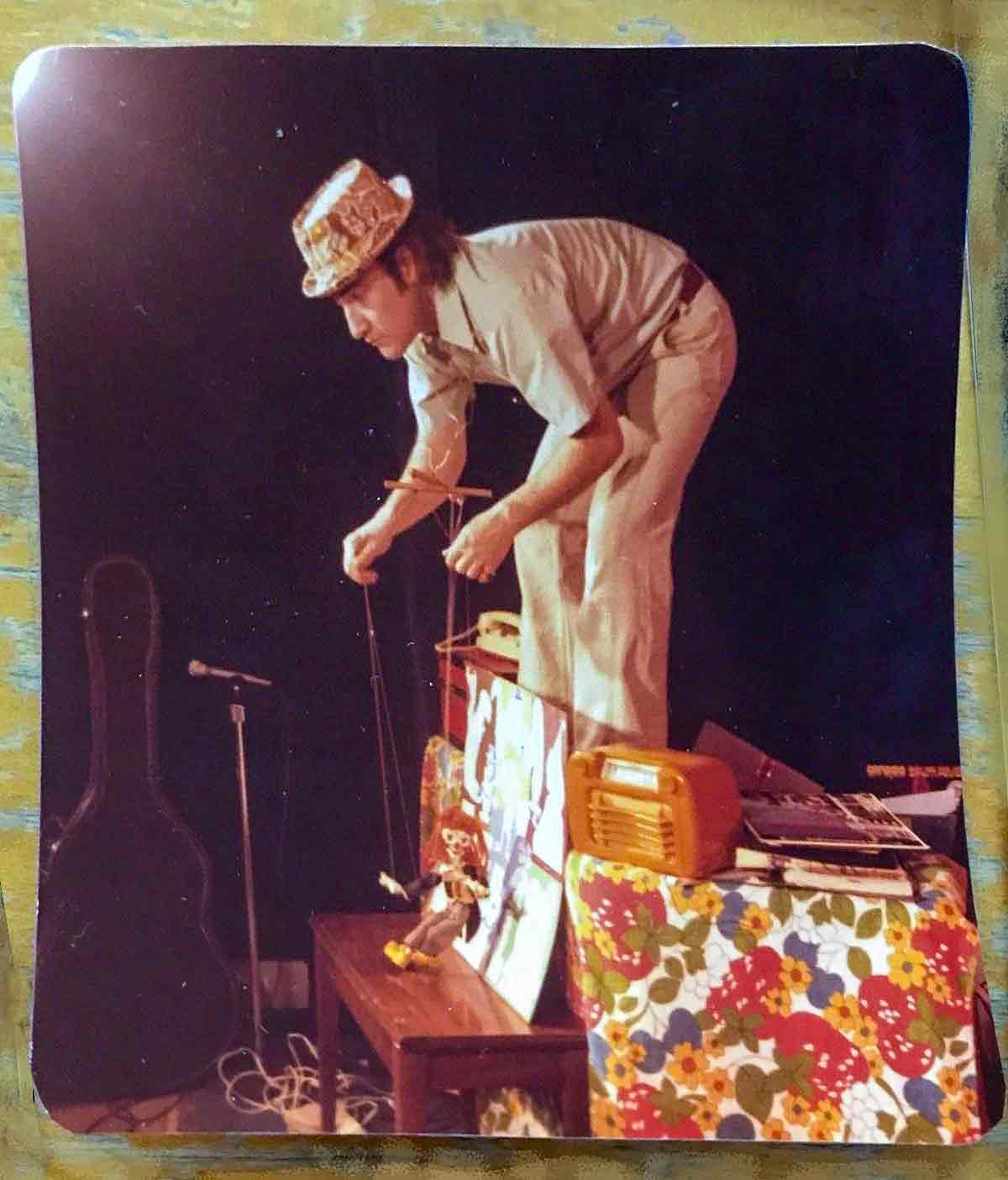
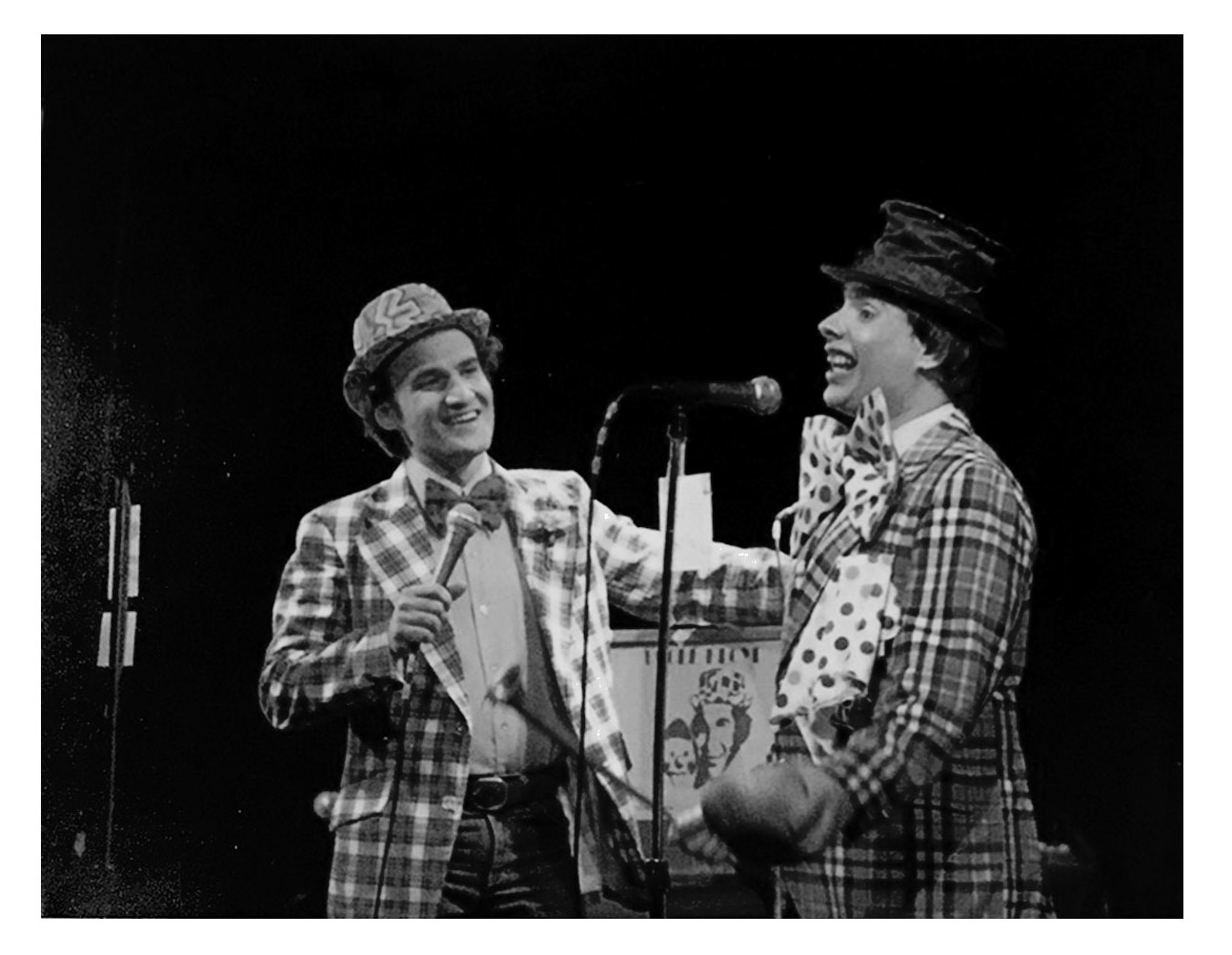
The Uncle Floyd Show's influence extended beyond the small screen, with legendary live performances, particularly at The Bottom Line in Greenwich Village. This iconic music venue, which opened the same year as Uncle Floyd's debut (1974), provided a physical gathering space for the show's growing cult following.
Uncle Floyd's appearances at The Bottom Line became special events that sold out rapidly. During one notable performance, the show broke the record for the fastest sell-out of advance tickets in the venue's history. These live shows featured the cast performing sketches and musical numbers, sometimes with the Vivino Brothers Band providing musical accompaniment.
The Bottom Line performances attracted notable audience members:
- David Bowie attended a show and came backstage afterward to tell Floyd and the cast he was a big fan, having been introduced to the program by John Lennon. This connection would later be immortalized in Bowie's 2002 song "Slip Away."
- Soupy Sales, one of Floyd's comedy influences, attended a Bottom Line performance, told Floyd he loved the show, and returned to see it again the following year.
Other live performances took place at venues across New Jersey and New York, including:
- A reunion of the original cast at the Rahway Theater
- Regular appearances at state fairs and local events
- The "Uncle Floyd Revue" at various clubs and theaters
Fans Always First
One especially touching story from the show's history involves a young fan who was hospitalized:
"When I was 10 years old I got very sick and had brain surgery. Uncle Floyd got a letter from my father asking if he could send me a t-shirt. Floyd Vivino did one better. He called me up and told me that Skip Rooney visits the same hospital sometimes but in the closed ward of the loony bin. Uncle Floyd came to visit me in the hospital and gave me the first copy of his first 45 'Deep in the Heart of Jersey' by Cowboy Charlie."
—Longtime fan
These live shows and personal appearances allowed fans to experience the anarchic energy of the program in person and reinforced the community that had built up around the television show. They also demonstrated Floyd's genuine appreciation for his audience—a quality that helped maintain the show's loyal following through multiple network transitions and format changes.
Going National: Syndication and Network Transitions
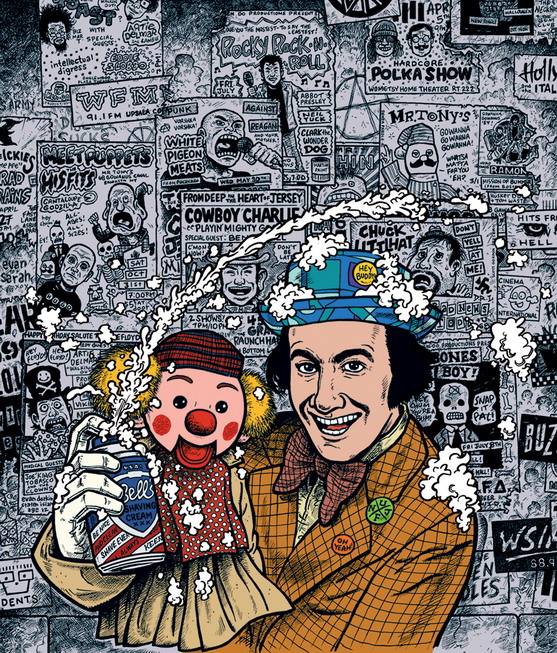
In 1980, The Uncle Floyd Show achieved a significant milestone by entering national syndication. The show aired on NBC-owned stations and independent channels in 17 markets across the United States, positioning it in the emerging alternative comedy landscape alongside programs like SCTV (which it followed on WNBC).
This national exposure represented a huge step forward for a show that had previously only been viewable in the New Jersey/New York area on a single UHF channel. The Mercury Records release of "The Uncle Floyd Show Album" coincided with this expansion, though as Floyd noted, "Unfortunately, that was also the end of syndication, and sales were hurt since we couldn't fully promote it."
However, syndication brought new challenges. Some stations with conservative programming policies reacted negatively to the show's unconventional humor and occasionally risqué content.
SYNDICATION SNAFUS
A station owner in Tucson reportedly pulled the show halfway through its first airing, writing, "I've been in television for 20 years and this is the worst piece of garbage I've ever seen!"
A Texas station canceled the show despite it bringing in their highest ratings ever, reportedly because several "ministers" objected to the "Brother Billy Bobby Booper" character.
Despite these challenges, the show continued to thrive in syndication, attracting a dedicated fan base and even garnering attention from major publications. Floyd's unique blend of humor, music, and improvisation resonated with audiences, and the show's cult following grew. The Uncle Floyd Show became a cultural phenomenon, with a new group of NATIONAL fans eagerly tuning in to see what outrageous antics Floyd and his cast would come up with next.
The show's journey continued through several networks, demonstrating its remarkable adaptability:
- 1983-1986: New Jersey Network (NJN), the statewide PBS affiliate, brought the show to a broader audience but with somewhat tamer content.
- 1986-1992: Cable Television Network of New Jersey (CTN) became the show's home. During this period, Floyd sometimes hosted music-only formats showcasing local bands and "Uncle Floyd's New Jersey," where he visited towns and businesses around the state.
- 1992-1999: First-run production ended, with CTN showing repeats until the channel's demise.
- 1998: A brief revival at Cablevision studios in Oakland, NJ produced 100 new episodes with guests including Marky Ramone and The Misfits. Despite enthusiastic viewer response, Cablevision management canceled the show after this run.

THE UNCLE FLOYD TIMELINE
Through all these transitions, the show maintained its core identity and loyal viewership, demonstrating remarkable adaptability in a rapidly changing television landscape.
Page 5 of 6