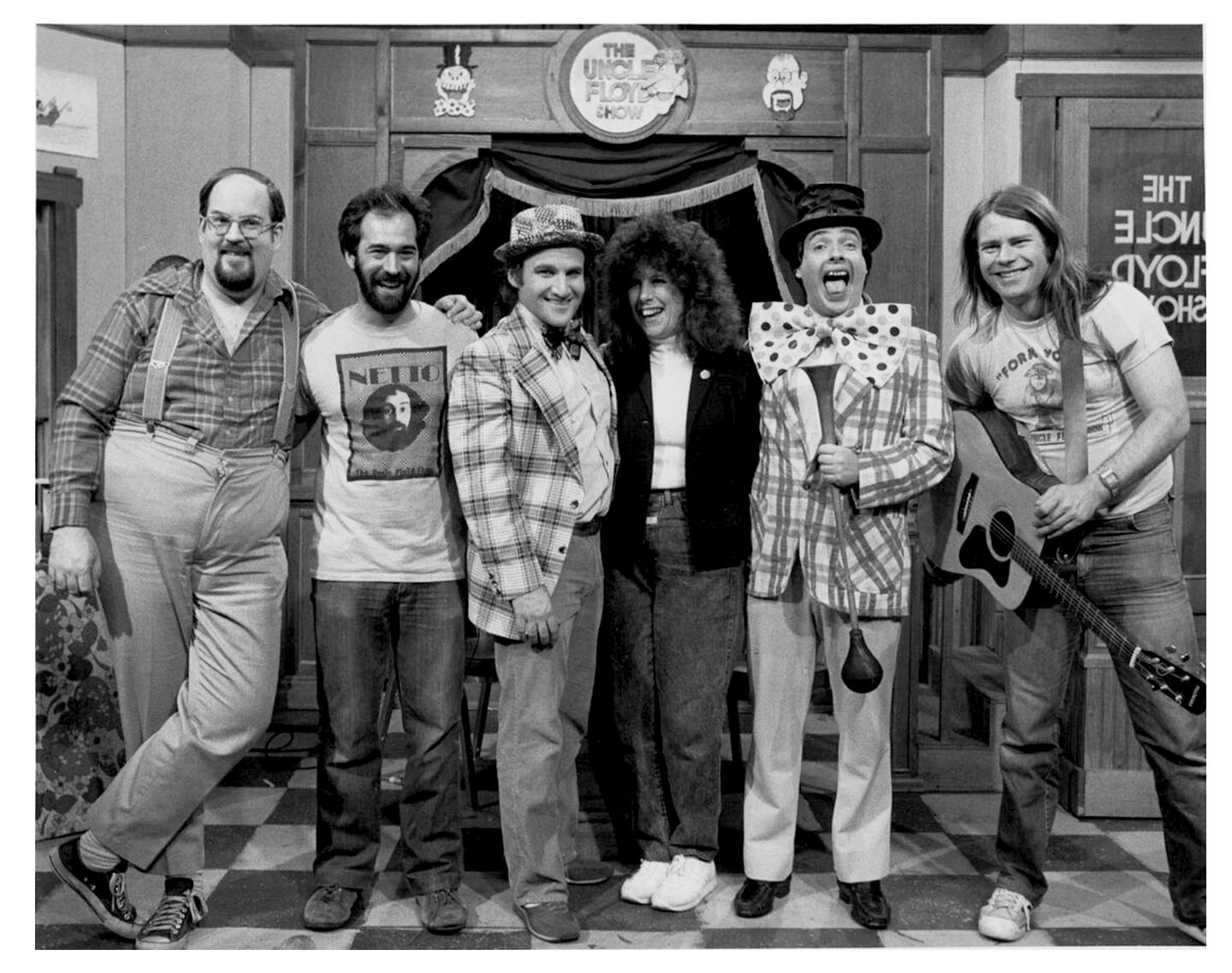
Television Without a Script
What set The Uncle Floyd Show apart from other television programs was its deliberately loose, improvisational approach. The show was largely unscripted, with Floyd and the cast working from rough outlines rather than formal scripts. Despite this imformal appoach, a huge amount of preparation and dedication went into envery show. A further challange was that they regularly recorded several shows in a single day. The hard work and talent of the performers reliably devlivered a consistently entertaining experience for viewers.
"We produced the shows without a script and never a rehearsal. Only the best performers and technicians in the business can do that."
—Uncle Floyd
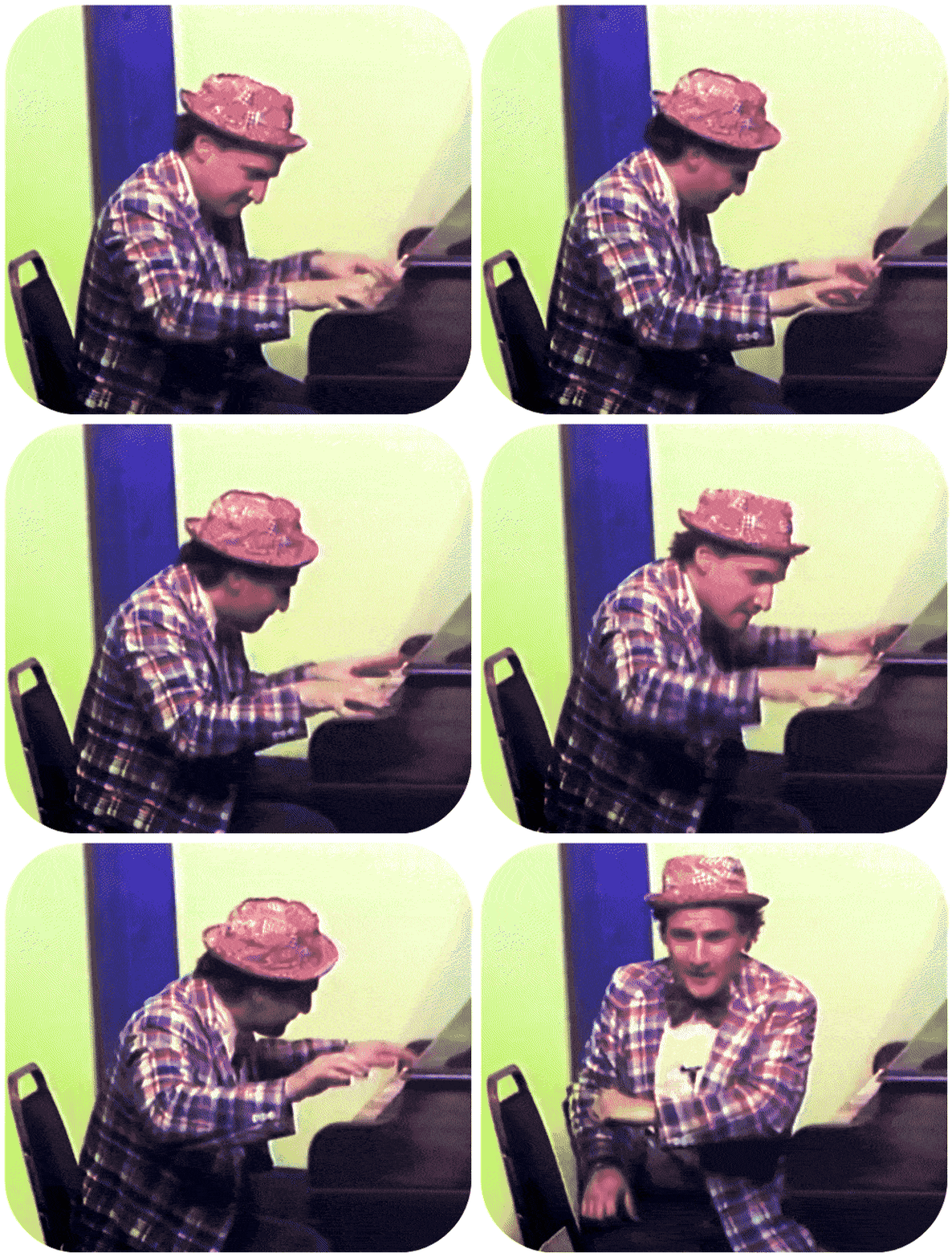
A typical episode followed a loose structure that allowed plenty of room for improvisation and unexpected moments:
- Opening: Floyd at his desk with a puppet friend (usually Oogie)
- Desk comedy: Banter with puppets and off-camera cast members
- Character sketches: Cast members performing recurring bits
- Musical interlude: Either Floyd playing piano or a guest musical act
- More sketches: Additional comedy segments
- Viewer features: Fan mail, viewer of the week, fan drawings
Meet the Cast of Characters
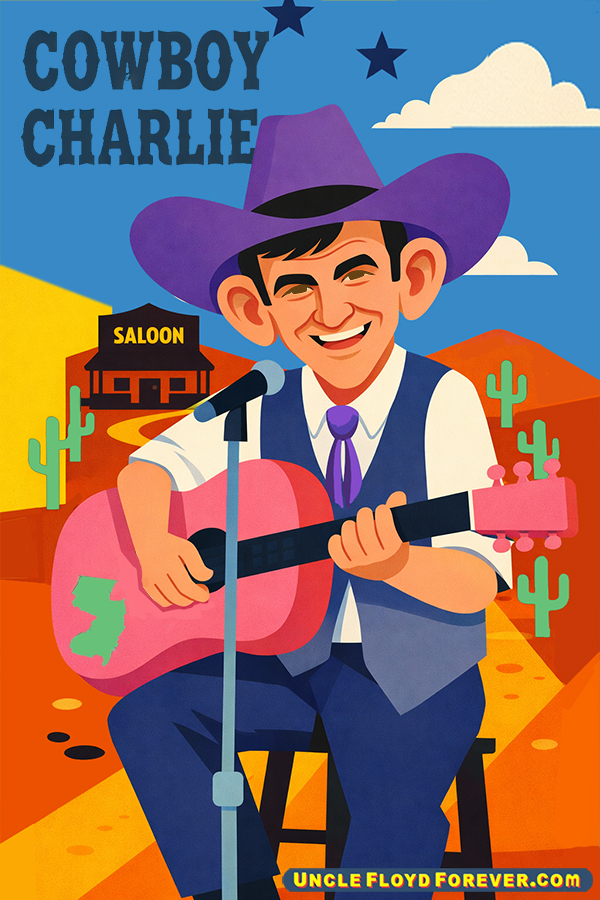
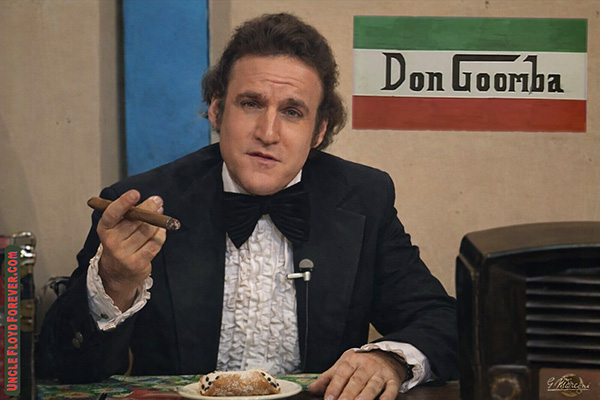
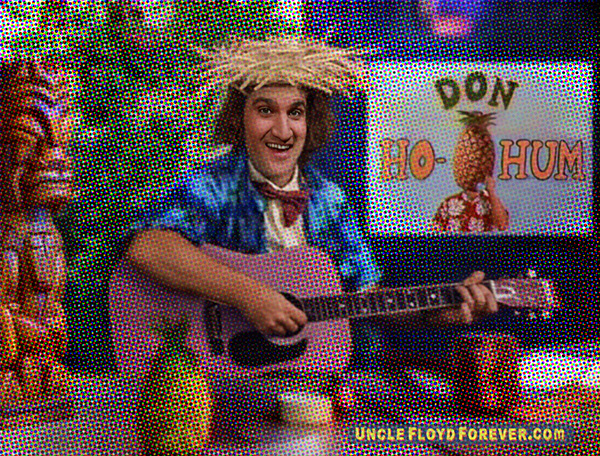
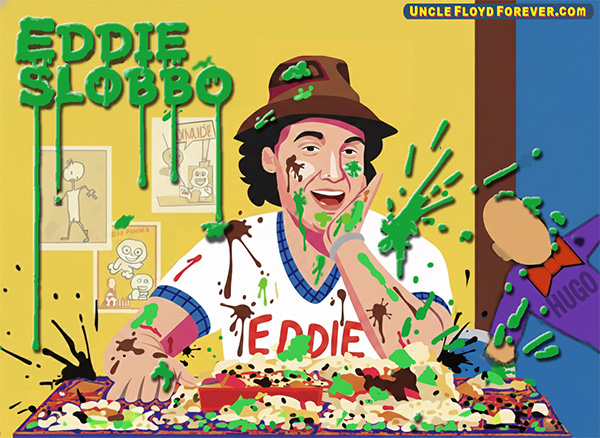
Part of Floyd's genius lay in his ability to combine the silliest of Vaudeville slapstick with biting media satire. Here are some of his most-loved recurring characters and personas that defined the show's 24-year run.
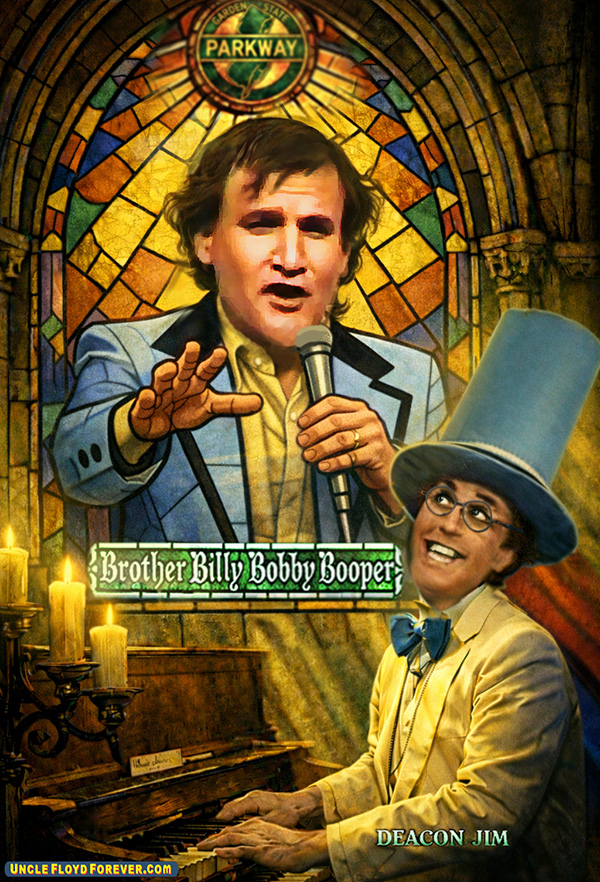
Brother Billy Bobby Booper
Parody of high-octane TV evangelists; often accompanied by Deacon Jim.
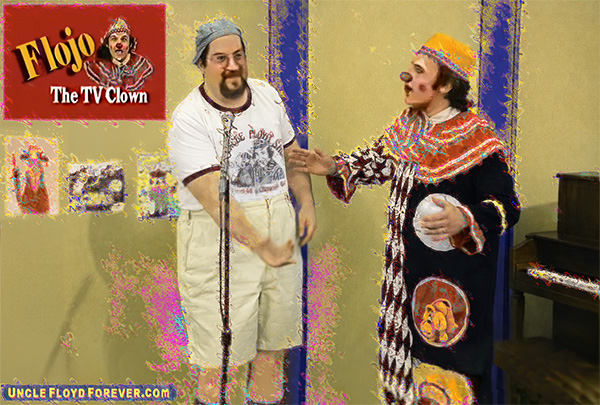
Flojo the TV Clown
Boisterous kiddie entertainer harassed by child-like imbeciles.
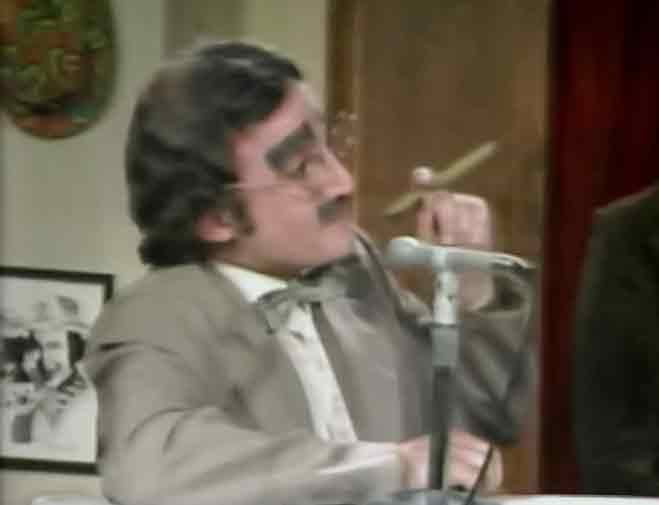
Groucho
Classic Groucho Marx character impression.
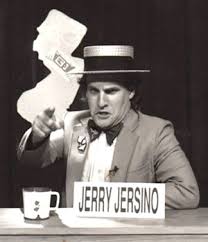
Jerry Jersino
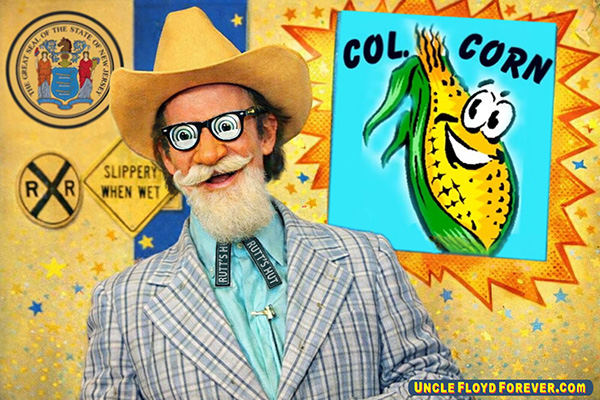
Absurdly proud resident crank from the Garden State.
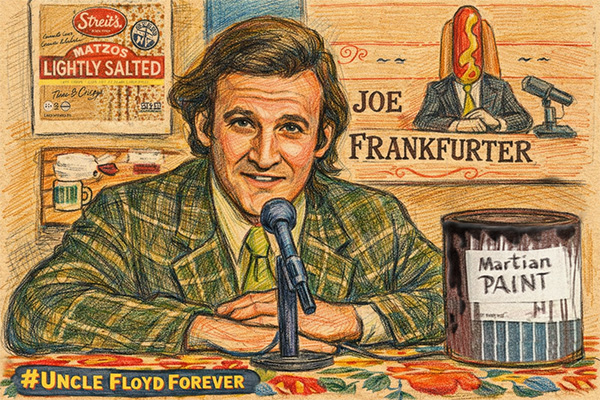
Joe Frankfurter
"Nostalgically Yours" Joe Franklin parody; featured Tiny Thomas and his Yukalele. Endless sponsors.
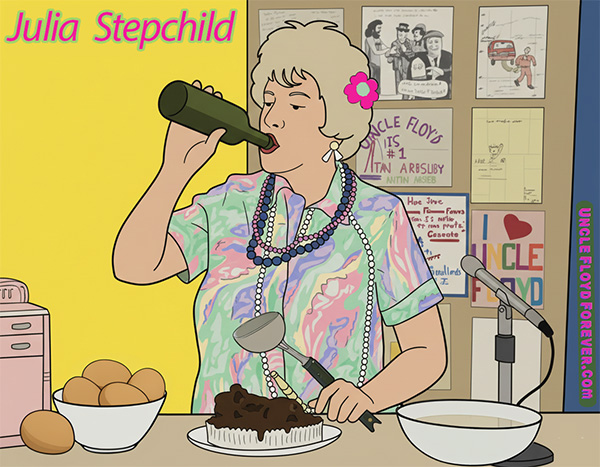
Julia Stepchild
Chaotic, high-pitched parody of Julia Child -- involving culinary disasters.
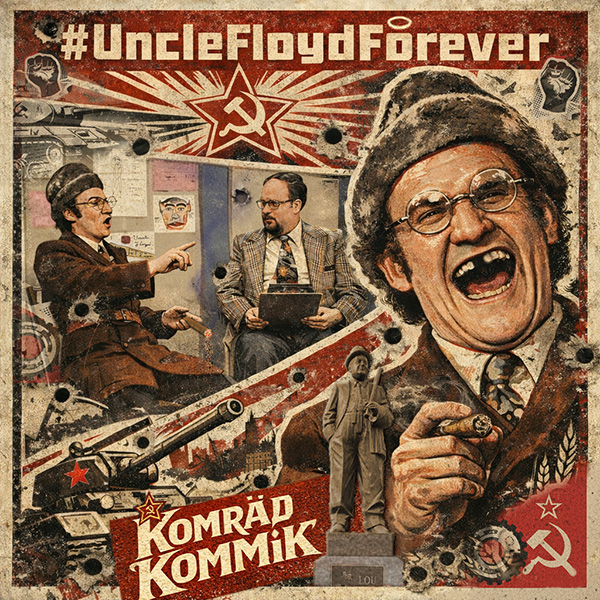
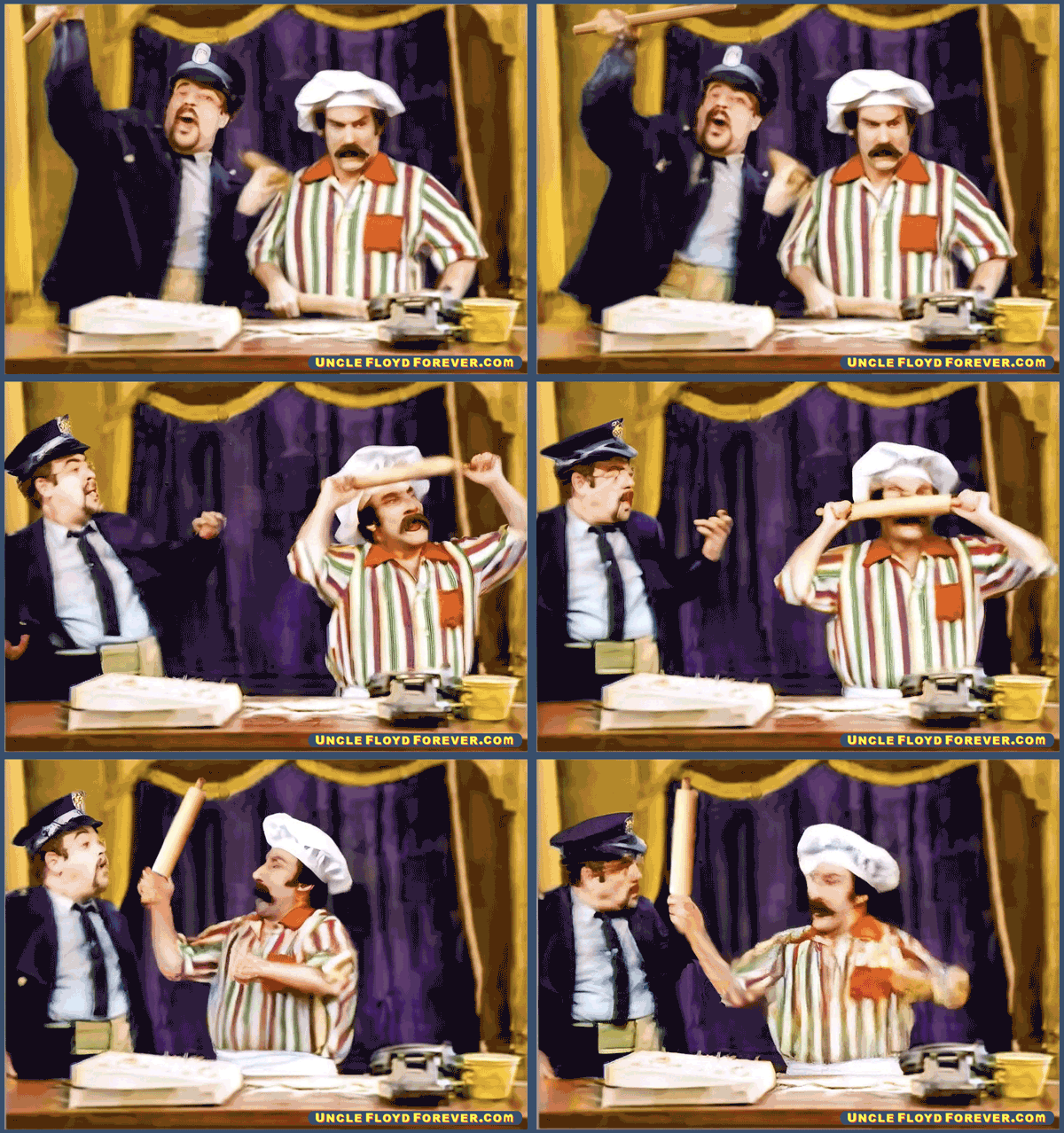
Pasquale
Proprietor of "Pasquale’s Pizzeria", argues with the diminutive Mrs. Giambalgnone.
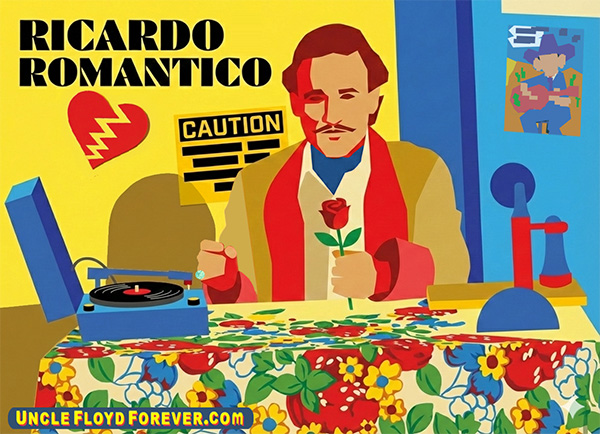
Ricardo Romantico
The quintessential "Latin Lover" lounge singer; tuxedo and cheap cologne.
OTHER POPULAR RECURRING SEGMENTS
- Al Van Gaart
- The Dull Family
- Ken-Do
- Rocky Rock n Roll
- Mr. Grouch
- Hubie Small Lips
- Walter Pilsudski's Polka TV Show
- Senator Stunad
- Larry Bling Call-In Radio
- Charlie Chin & Son
- Briscoe T. Fardell
- Mr. Frodgers
- A Day in the Life of a Food
- Intellectual Digress
- Senza Parole
It was all about the FANS... (still is)
The show pioneered a deeper connection with its audience than was typical for television of that era. Viewers could send in drawings that would be displayed on the set wall. The show had a "Viewer of the Week" feature and encouraged fans to create their own local "Uncle Floyd Fan Clubs"—with numbers that had no relation to how many clubs actually existed.
FAN CLUB CHAOS
As one dedicated fan explained: "Any fan could create a local fan-club. I was president of fan club 186 which was part of my street address and had no reality on how many clubs there were. Every week he featured a viewer and I will never forget when I was chosen as viewer of the week and received an award."Inside jokes were a cornerstone of the show's humor, with three main sources:
- Studio in-jokes: References to production mishaps and behind-the-scenes events
- Cast members teasing each other off-camera
- Exaggerated "public personas" of cast members that bore little resemblance to their actual lives
This approach created a show that felt more like eavesdropping on a group of funny friends than watching a structured television program—a quality that endeared it to viewers who appreciated its authenticity.
More Than Music Television
Music was central to The Uncle Floyd Show from the beginning. Floyd himself was an accomplished pianist who specialized in vaudeville-style playing and old standards. His musical talent was considerable—earning praise from musical luminaries like David Bowie.
But the show's most significant musical contribution might have been its role as an early platform for punk, new wave, and alternative acts. In an era before MTV, The Uncle Floyd Show gave television exposure to bands that mainstream shows wouldn't touch. As a result -- many, many great bands appeared on the show ove the years...
NOTABLE MUSICAL GUESTS
The Ramones
Made multiple appearances and referenced the show in their song "It's Not My Place"
Bon Jovi
Jon Bon Jovi appeared before achieving international fame
The Smithereens
New Jersey rock band made early TV appearances
Cyndi Lauper
Performed during her rise to stardom
Tiny Tim
The eccentric ukulele player made frequent appearances
Squeeze
British new wave band brought their distinctive sound
David Johansen
Appeared both as himself and as Buster Poindexter
Joe Jackson
The British singer-songwriter showcased his new wave credentials
Musical performances were often lip-synched due to technical limitations, but this added to the charming, sometimes awkward aesthetic that defined the show. These appearances helped introduce audiences to new artists and sounds that were rarely featured on conventional television. A time and place were captured -- along with the hearts of many a North Jersey teeny-bopper.
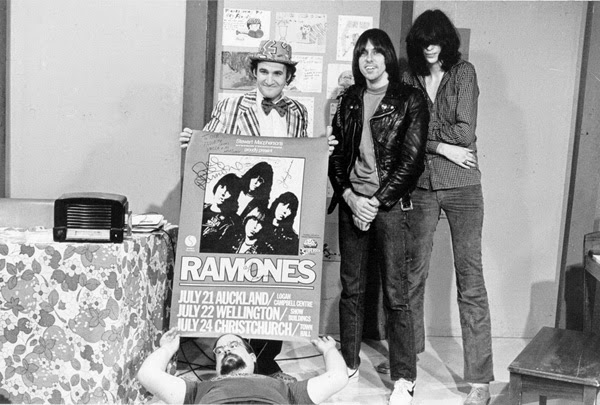
The photographs featured here are just a few of many priceless ones taken during the run of the show. The cast photo at the top of this page -- as well as the LP record cover -- are among the many great photographs in the career of Bob Leafe. Explore his website bobleafe.com and prepare to be astonished.
Artie Delmar (David Burd) was instrumental in booking many of these acts. The show developed a reputation in the music community as a place where alternative acts could get television exposure. One amusing anecdote reveals how even established stars had trouble getting through to the production: Singer Paul Simon reportedly tried several times to get a message to Floyd, but the receptionist refused to believe that anybody famous would be calling Floyd and never passed along the message.
The show also created its own musical parodies, largely through cast member Mugsy Calam. His character "Bruce Stringbean" (a Springsteen parody) became a fan favorite, along with other musical mockeries that included "Neil Yuck," "Tom Waste," and "Ricky Reggae." These parodies, backed by talented musicians like Netto and Charlie Stoddard, became another beloved aspect of the show.
The Uncle Floyd Show represented a unique intersection of comedy and underground music at a pivotal moment in American pop culture, when punk and new wave were revolutionizing the sound of rock and roll. By giving these artists a platform, however humble, the show played a small but significant role in their eventual breakthrough to wider audiences.
Page 4 of 6