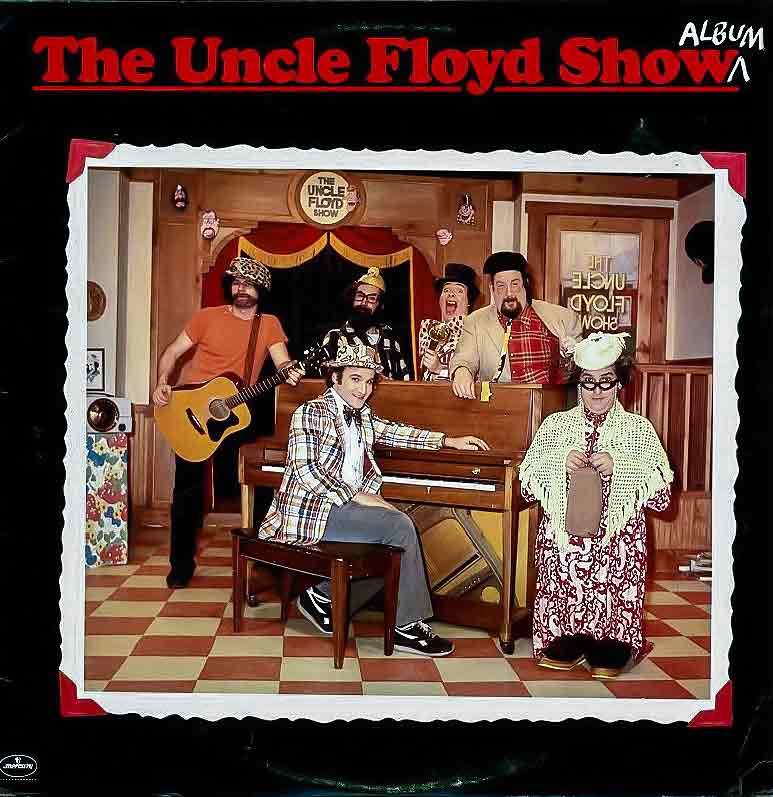
Golden Years
The late 1970s through the early 1980s marked what many fans consider the golden age of The Uncle Floyd Show. Broadcasting from a humble studio in West Orange (later Newark), the program expanded to a full hour and assembled its legendary ensemble cast. This period cemented the show's reputation as a uniquely anarchic blend of vaudeville, punk sensibility, and New Jersey attitude.
The Human Cast
While the show's early years featured Pat Cupo and Bob D. Caterino (known for his Groucho Marx impressions), it was the later ensemble that most fans remember as the definitive Uncle Floyd cast. This ragtag group of performers created a bizarre comedic chemistry that couldn't be replicated—each bringing their own strange characters to life with minimal budget but maximum enthusiasm.
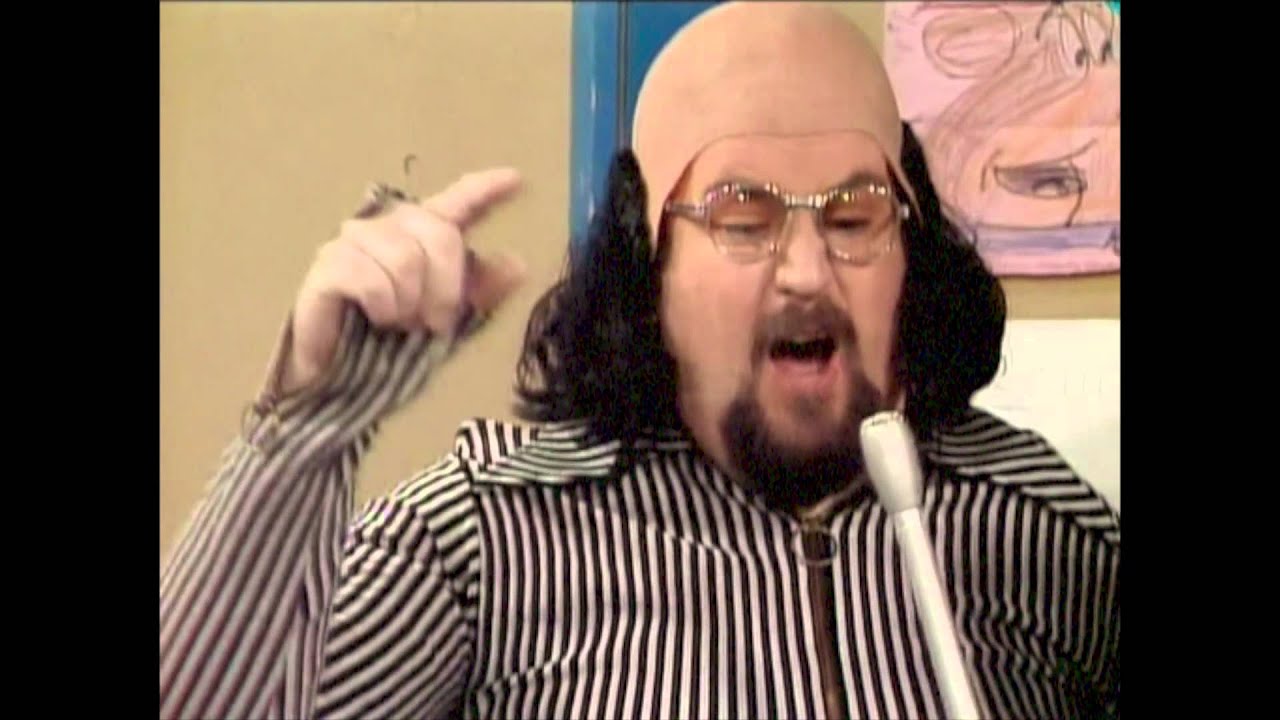
Scott Gordon
Floyd's Right-Hand Man, a Technical Guru, and Producer ExtraordinaireFloyd's quick-witted second banana and longest-serving cast member. Often seen in his trademark brown suit "which belongs in a museum if the moths haven't gotten to it yet," Gordon played characters like Sir John Watercress, a Shakespearean thespian.
Gordon was notorious for his willingness to take pratfalls and throw props at Floyd (like the barrage of kitchen sponges in the "Mr. Sponge" sketch).
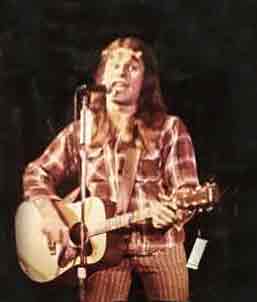
Craig "Mugsy" Calam
Master of Musical MirthThe musical parodist extraordinaire whose character "Bruce Stringbean" (a Springsteen parody) became a fan favorite. Other musical mockeries included "Neil Yuck," "Tom Waste," and "Ricky Reggae."
Mugsy later produced his own spin-off show, "The Eleventh Hour," giving him an further opportunity to share his talents. Very sadly, he passed away in 2005 at age 56. He is missed by all.
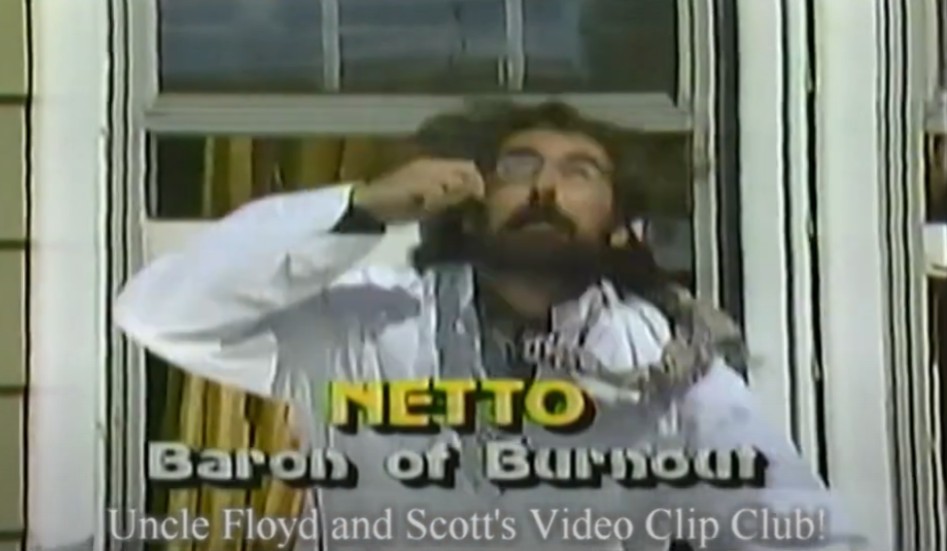
Richard "Netto" Cornetto
Baron of BurnoutNetto brought characters like Otto (who never wore trousers) and The Hula Bula Man to life. He originally appeared with various bands before becoming a regular cast member.
Besides later backing up Mugsy's musical bits as Chris Street (Peter Punk), Eric Claptrap (Sour Cream), and Phil McCrackin (Patty O'Blarney).
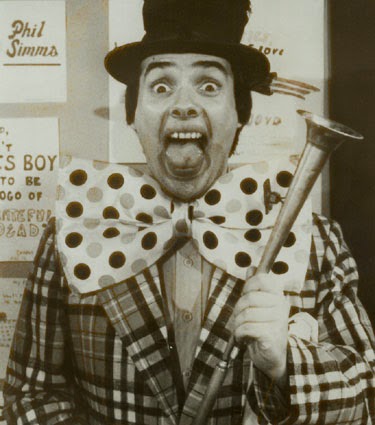
Art "Looney Skip" Rooney
Sultan of SlapstickRooney's most significant contribution might have been his infectious off-camera laugh, which became a sort of Greek chorus for the show's antics. Cast members reportedly used "Skip's chuckles as an approval meter" to gauge if bits were working.
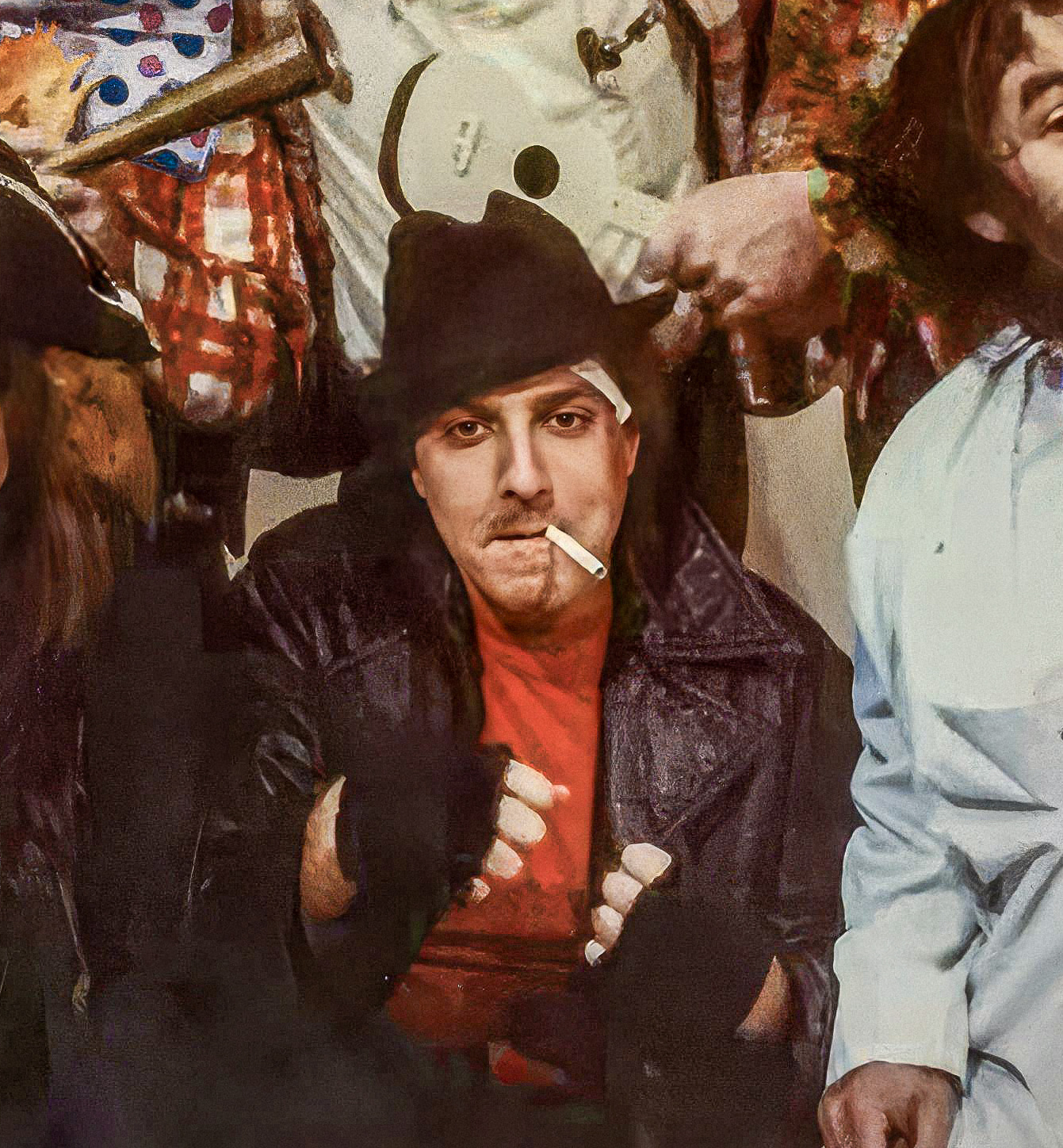
Charlie Stoddard
The Voice MaestroJoining after leaving his rock band Dreamer, Stoddard brought impressive voice talent to the show, creating characters like Sylvester "Cavone" (a Stallone parody), Gene "Shellfish" (parodying Gene Shalit), and Sydney "Dangerfield."
He also played keyboard for musical segments as "Brother Billy Bobby Booper."
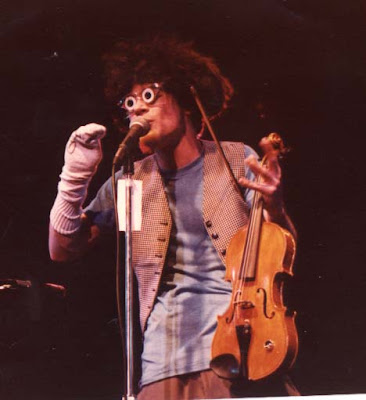
David Burd (aka "Artie Delmar")
Man of 1,000 DisguisesOriginally a "Viewer of the Week" who met Floyd at a personal appearance, Burd created characters like The Viking and Professor Glump. He also booked many of the show's musical guests before joining the cast full-time. Walkin' Out.
Other regulars included Jim Monaco, Michael "The New Guy" Townsend Wright, and Karen "Weenie" Weiner, who joined in later years. Together, this cast created a chaotic comedic environment where anything could —— and it often did.
"Being on The Uncle Floyd Show was the best time of my life. It was the most creatively fulfilling experience I've ever had... We had complete freedom (within FCC guidelines)."
— unverified castmember
No strings attached . . .
The Puppet Population
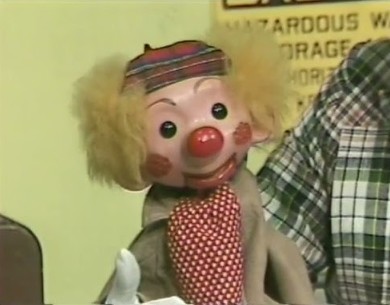
Oogie
The undisputed star of the puppet cast and Floyd's wisecracking sidekick. Reportedly purchased from a Times Square theatrical prop store (though some accounts claim he was found in the trash).
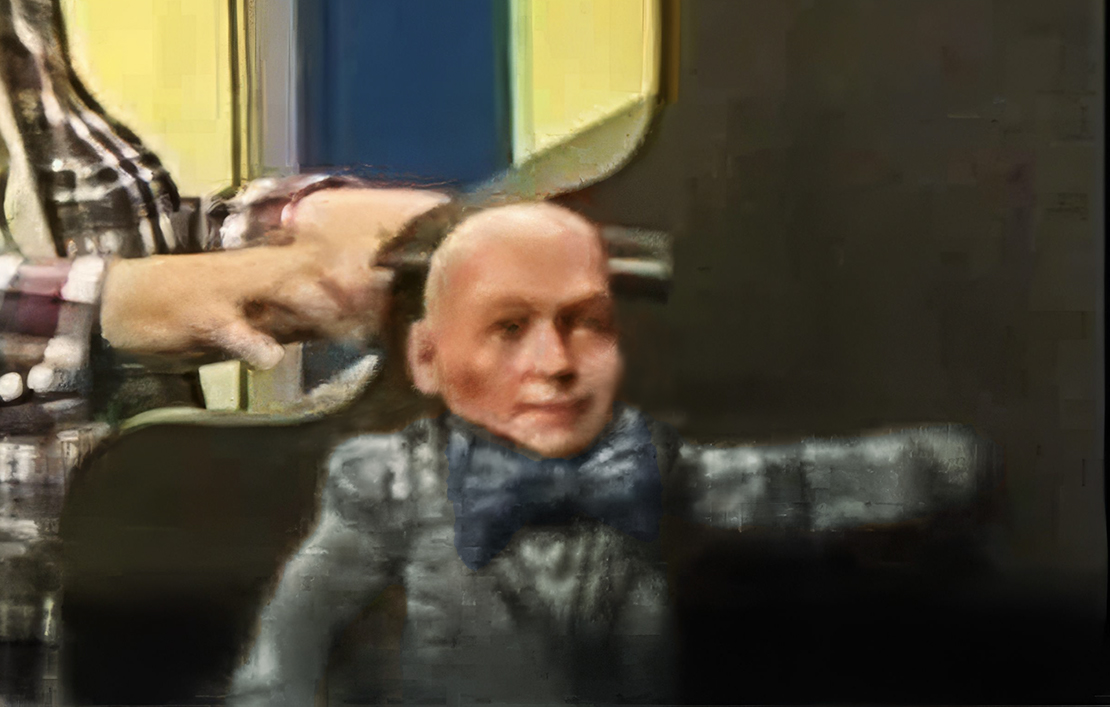
Hugo
Hugo, a recurring puppet with a distinctive look, became a fan favorite thanks to his deadpan expressions and unpredictable antics. His mysterious origins only added to his quirky appeal.
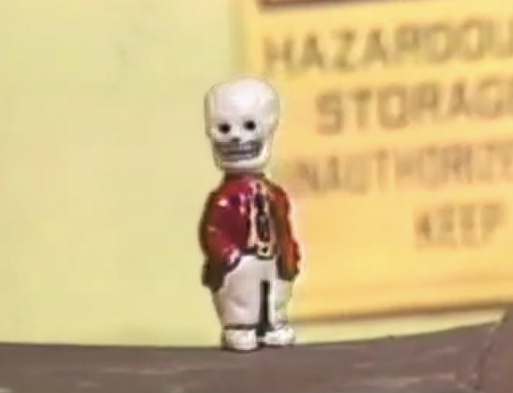
Bones Boy
A skeleton puppet who always kept his cool. Later immortalized in David Bowie's tribute song "Slip Away" on his 2002 album "Heathen."
The DIY Look and Feel
The show's visual aesthetic was deliberately low-budget, with a set often consisting of just a brown wall adorned with viewer-drawn pictures. Props were scavenged from thrift stores or created with minimal funds. This approach wasn't just economic necessity—it became part of the show's charm and identity.
THE LOW BUDGET LEGACY
The show in its early days had only one camera, and it wasn't uncommon for something to fall apart during filming. Rather than stopping, the crew would "just keep taping!" These mishaps often became part of the show, adding to its unpredictable, seat-of-the-pants feel.
One legendary instance illustrates the show's embrace of chaos: during one episode, the piano Floyd was playing was being repossessed due to missed payments. As crew members rolled it out of the studio, Floyd simply kept playing until it was gone.
The aesthetic of Uncle Floyd was the opposite of polished television production. There was an almost punk rock ethos to the way the show embraced its limitations and turned them into assets. Camera mistakes, flubbed lines, and collapsing props weren't edited out—they became part of the show's DNA.
As one fan described it: "It was the most low budget and ridculous comedy TV Show ever produced, that's what made it so popular and a big hit." Perhaps a slight oversimplification -- but the plane-spoken logic resonates.
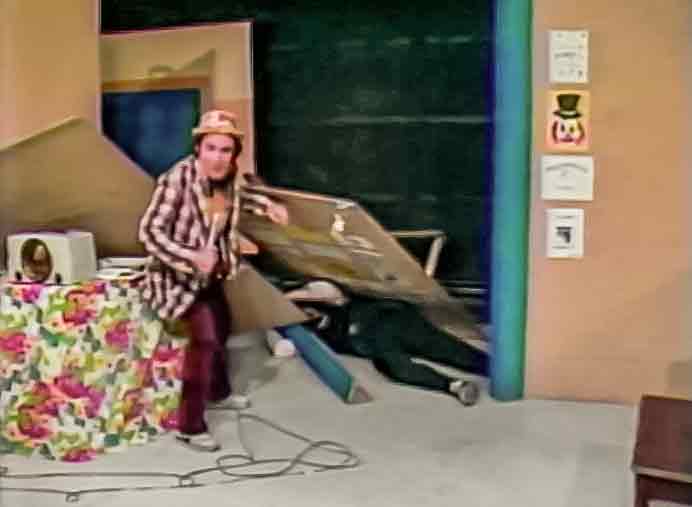
This authentic, unpolished approach created a program that felt like viewers were watching a group of friends having fun rather than a professionally produced television show. In an era when most productions were attempting to look as slick and expensive as possible, Uncle Floyd zigged where others zagged, embracing imperfection in a way that connected deeply with its audience.
Page 3 of 6